AIM: TO LEARN ABOUT WATER ON EARTH.
Definition:
Scientific words:
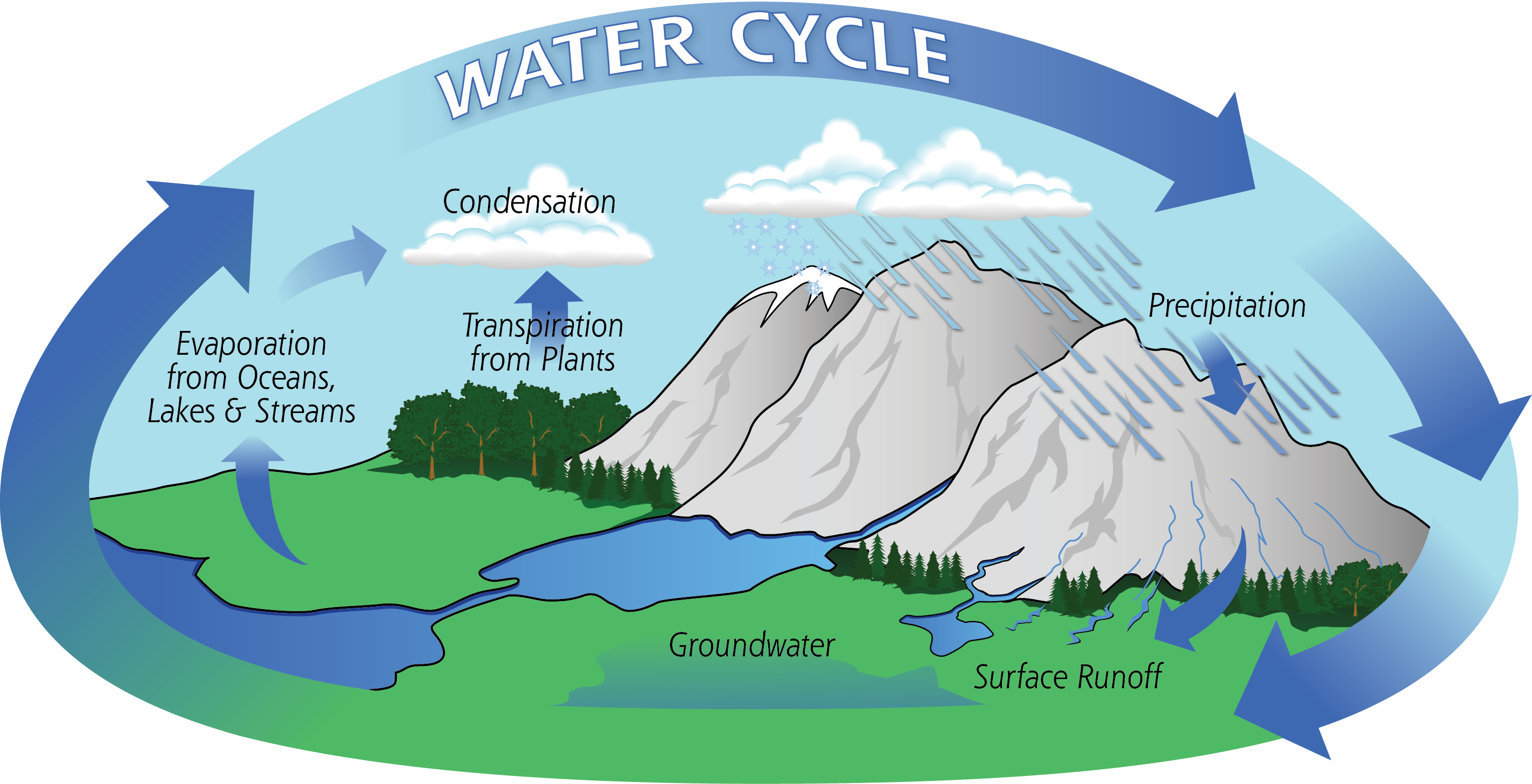
- Evaporation. When water is heated by radiant energy it turns into water vapor.
- Transpiration. Evaporation from plants.
- Condensation. When water vapor cools, molecules join together and form clouds.
- Precipitation. When clouds get heavy the waters falls as rain, sleet, hail, or snow.
- Acidification: the action or process of making or becoming acidic.
THE WATER CYCLE EXPERIMENT
Bag 1: Normal Water cycle
Bag 2: Water cycle with CO2 added: like Oceans in climate change
Bag 3: Water cycle with ice added: like Antarctica in climate change
Material:
- plastic bag
- water
- litmus paper
- baking soda
Steps
Bag 1
Get a ziplock bag and a vivid pen
Draw the water cycle (label the parts of the water cycle)
Carefully pour 1 cup of cold water
Carefully drop 2 drops of blue food colouring
Stick the ziplock bag in a window where it receives sunlight.
Bag 2
Get a ziplock bag and a vivid pen
Draw the water cycle
Carefully pour 1 cup of cold water
Carefully drop 2 drops of blue food colouring
Carefully put 1 teaspoon of baking soda
Stick the ziplock bag in a window where it receives sunlight
Two Images:
Findings:
|
The Water Cycle: Bag 1
|
CO2 Water Cycle: Bag 2
Acid
|
|
Does it cycle?
| 2 | 1 |
|
Amount of Water
| 3 | 2 |
|
Acidity
| 0 | 2 |
|
Key: Water and acidity amount: 1 = none
2 = small
3 = large
Other comments:
Conclusion:
what I learned is new words evaporation condensation and transpiration
DEFINITION:
ACIDIFICATION: HOW DOES CLIMATE CHANGE CONTRIBUTE TO THE ACIDIFICATION OF OUR OCEANS?
DEFINITION:
DEFORESTATION: HOW DOES DEFORESTATION AFFECT CLIMATE CHANGE?
ICECAP MELT: HOW DOES ICECAP MELT AFFECT CLIMATE CHANGE?
WATER VAPOUR
DEFINITION:
WATER VAPOUR: HOW DOES WATER VAPOUR AND EVAPORATION CONTRIBUTE TO CLIMATE CHANGE?



 Conical Flask - This is used for experiments with liquid up to 150 ml. The flask has a rubber bung for the top and the glass is heatproof.

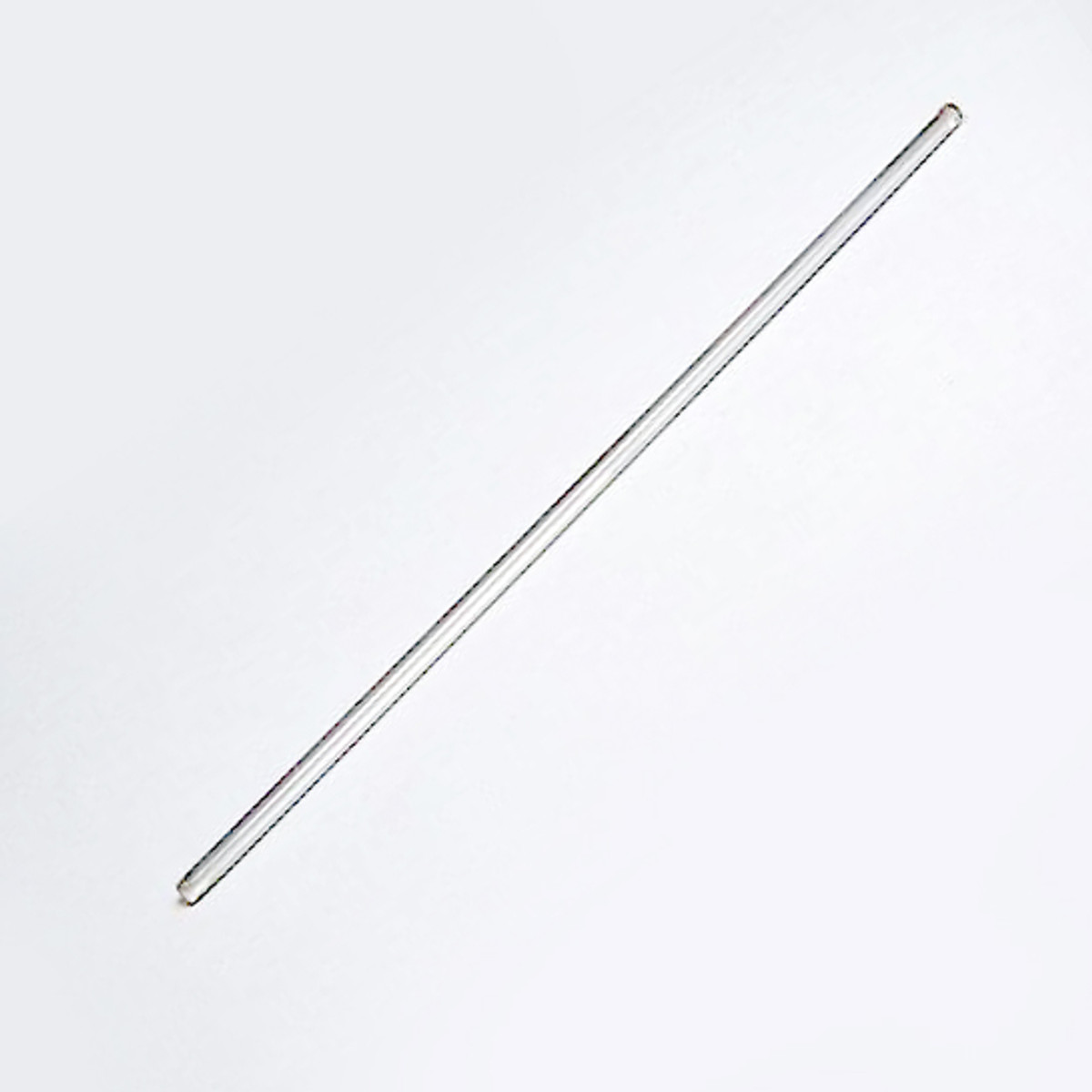
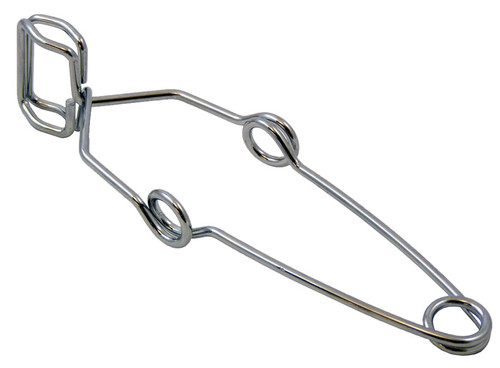 Spatula - This is for holding very small amounts of chemical powders.