Friday, February 26, 2021

Wednesday, February 24, 2021
Monday, February 22, 2021

Tuesday, November 10, 2020
leo
Translation
Leo means lion
Mythology
Leo is thought to be the lion of Nemea slain by Heracles as the first of his 12 labours 
Monday, September 21, 2020
making water
method=
-take a small test tube
-add a small amount of magnesium metal
-then add hydrochloric acid and put a boiling tube upside down
-after 5 mins keep the test tube upside down but put it over the burner flame
-you should hear the hydrogen explode and see water

Friday, September 4, 2020
PE
In PE we learnt about
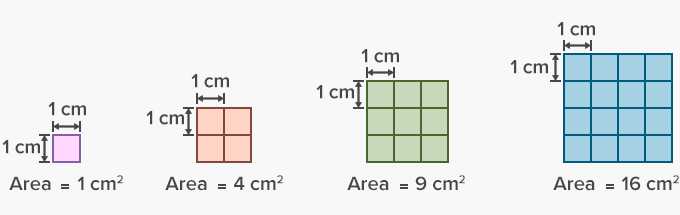
PerimeterA square has 4 sides each side is 3cm wide so to get Perimeter you just add all side together 3 x 4 = 12
Area
Volume

Measurement
mm cm m
heart rate
The rate at which your heartbeats
Weight
g kg
Reflection
I didn't learn much I already knew all of the stuff we learnt
Did you know all of this stuff?
Thursday, August 20, 2020
Parihaka
About 1600 troops invaded the western Taranaki settlement of Parihaka, which had come to symbolise peaceful resistance to the confiscation of Māori land.
Founded in the mid-1860s, Parihaka was soon attracting dispossessed and disillusioned Māori from around the country. Its main leaders were Te Whiti-o-Rongomai and Tohu Kākahi, both of the Taranaki and Te Āti Awa iwi.
When in May 1879 the colonial government moved to actually occupy fertile land in the Waimate Plains that had been declared confiscated in the 1860s, Te Whiti and Tohu developed tactics of non-violent resistance.
Ploughmen from Parihaka fanned out across Taranaki to assert continuing Māori ownership of the land. The government responded with laws targeting the Parihaka protesters and imprisoned several hundred ploughmen without trial.
Following an election in September 1879, the new government announced an enquiry into the confiscations while sending the ploughmen to South Island gaols. In 1880 the West Coast Commission recommended creating reserves for the Parihaka people. Meanwhile, the government began constructing roads across cultivated land. Men from Parihaka who rebuilt their fences soon joined the ploughmen in detention.
The prisoners were released in early 1881. After ploughing resumed in July, John Hall’s government decided to act decisively while Governor Sir Arthur Gordon was visiting Fiji. A proclamation on 19 October gave the ‘Parihaka natives’ 14 days to accept the reserves offered or face the consequences.
Founded in the mid-1860s, Parihaka was soon attracting dispossessed and disillusioned Māori from around the country. Its main leaders were Te Whiti-o-Rongomai and Tohu Kākahi, both of the Taranaki and Te Āti Awa iwi.
When in May 1879 the colonial government moved to actually occupy fertile land in the Waimate Plains that had been declared confiscated in the 1860s, Te Whiti and Tohu developed tactics of non-violent resistance.
Ploughmen from Parihaka fanned out across Taranaki to assert continuing Māori ownership of the land. The government responded with laws targeting the Parihaka protesters and imprisoned several hundred ploughmen without trial.
Following an election in September 1879, the new government announced an enquiry into the confiscations while sending the ploughmen to South Island gaols. In 1880 the West Coast Commission recommended creating reserves for the Parihaka people. Meanwhile, the government began constructing roads across cultivated land. Men from Parihaka who rebuilt their fences soon joined the ploughmen in detention.
The prisoners were released in early 1881. After ploughing resumed in July, John Hall’s government decided to act decisively while Governor Sir Arthur Gordon was visiting Fiji. A proclamation on 19 October gave the ‘Parihaka natives’ 14 days to accept the reserves offered or face the consequences.
Subscribe to:
Comments (Atom)